Time to Eat the Dogs
A Podcast About Science, History, and ExplorationGems, Science, and Empire

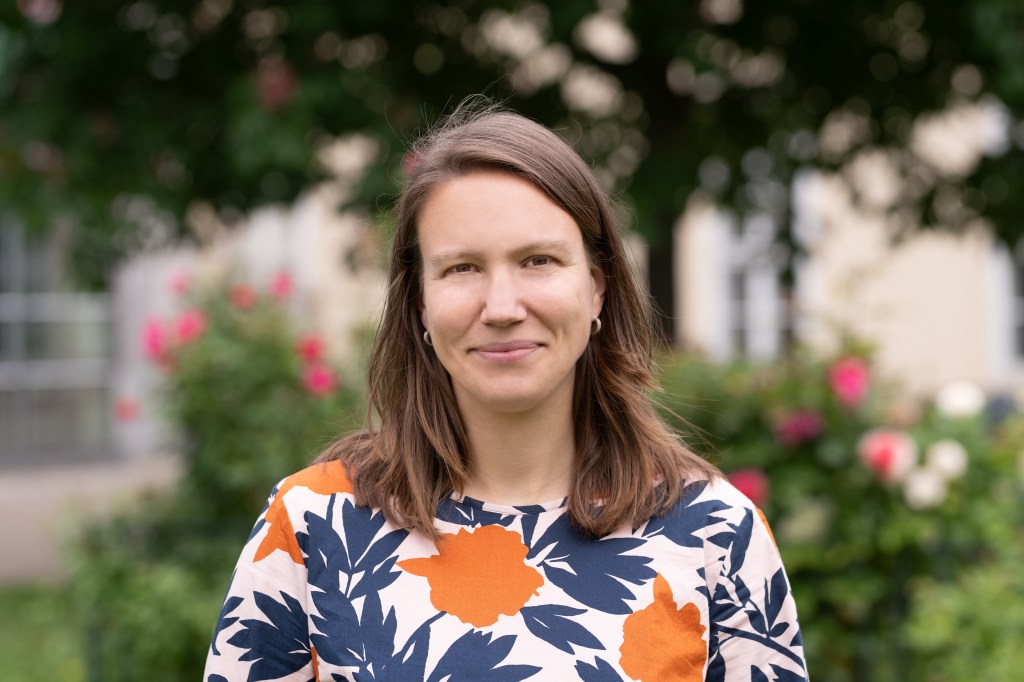
17th century traders who traveled the sea routes between India and Southeast Asia were interested in spices, but they were also interested in gemstones, objects of desire, commercial value, and increasingly, scientific fascination. Claire Conklin Sabel talks about the gem trade in South and Southeast Asia, and the way this trade was impacted by European traders in the 17th and 18th centuries. Sabel is a historian of early modern earth science and a post-doctoral researcher at the University of Vienna. She is working on her a book project, Rare Earth: Gemstones, Geohistory, and Commercial Geography c. 1600-1750.
Artificial General Intelligence, Part I

Part I of my interview with Julian Togelius, who talks about the history of machine learning, the quest for Artificial General Intelligence (AGI), and the difficulties AI researchers have in defining exactly what intelligence is. Togelius is an associate professor of Computer Science at New York University. Togelius is the author of Artificial General Intelligence, published recently by MIT Press.

Replay: Inventing the World

Meredith Small talks about the city of Venice and its importance to the history of travel and exploration. Small is professor emerita of at Cornell University and visiting scholar in the Department of Anthropology at the University of Pennsylvania. She’s the author of Inventing the World: Venice and the Transformation of Western Civilization

The Habitable Worlds Observatory

Dr. Giada Arney talks about the Habitable Worlds Observatory, a space telescope that, when it’s built and launched into space, will be able to image planets in other solar systems directly, focusing on planets that may support life. Arney is a Research Space Scientist in the Planetary Systems Laboratory at NASA Goddard Space Flight Center. She’s also the interim project scientist for the Habitable Worlds Observatory and the Deputy Principal Investigator of the DAVINCI mission to Venus.

Replay: Icebound

In the late 1500s, Dutch navigator William Barrents sailed north in search of a Northeast Passage to Asia. This expedition and a second one both suffered hardships, but they were mild in comparison with the horrors of the third expedition. Andrea Pitzer talks about the Arctic voyages of William Barents and their impact on Europe for centuries to come. Pitzer is a journalist and author of Icebound: Shipwrecked at the Edge of the World.


 Time to Eat the Dogs